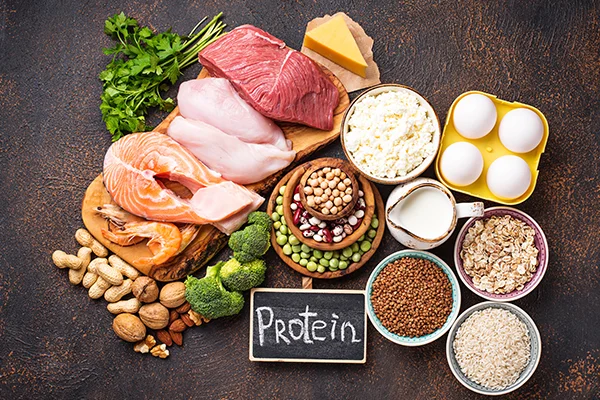
Whether you’re formulating nutrition labels for a new protein bar, planning menus for a health-conscious restaurant, or simply trying to understand which protein sources deliver the most nutritional value, protein quality matters immensely. Not all proteins are created equal, and understanding how efficiently your body can digest and utilize them is crucial for achieving optimal health, fitness, and successful food formulation.
Enter protein digestibility and the Protein Digestibility Corrected Amino Acid Score (PDCAAS). Two essential metrics that reveal the true quality of protein sources. From Greek yogurt and chicken to peanut butter, soy protein, and pea protein, each source scores differently on the protein quality scale.
In this comprehensive guide, we’ll explore everything you need to know about PDCAAS, protein digestibility scores, and how to utilize this information for informed nutrition decisions and effective food product development.
Key Takeaways
- PDCAAS combines amino acid quality with digestibility to measure actual protein value on a scale of 0 to 1.0.
- Animal proteins score 1.0: eggs, whey, chicken, and fish have complete amino acids and 90-95% digestibility.
- Soy protein isolate is the only plant protein scoring 1.0, while most plant proteins score 0.5-0.9 due to limiting amino acids.
- Combining plant proteins (beans + rice, peanut butter + whole grain) creates complete amino acid profiles.
- A 0.5 PDCAAS protein requires double the amount to match a 1.0 protein’s biological benefit, critical for formulation and cost.
- PDCAAS calculators aid in creating accurate nutrition labels, optimizing recipes, and developing competitive plant-based products.
What is Protein Digestibility?
Protein digestibility refers to how efficiently your body can break down and absorb the amino acids from a protein source. When you consume protein, digestive enzymes break it down into individual amino acids, which your body then uses for muscle repair, enzyme production, hormone synthesis, and countless other functions.
However, not all proteins are fully digestible. Some passes through your system without being absorbed, reducing its nutritional value. The protein digestibility score measures the percentage of protein that your body can actually use.
Why Protein Digestibility Matters
Understanding protein digestibility is essential for:
- Food manufacturers are creating nutrition labels and formulating products
- Nutritionists designing meal plans for specific health goals
- Athletes maximizing muscle recovery and performance
- Food service professionals offering high-quality menu options
The protein digestibility amino acid score takes this concept further by considering not just how much protein is absorbed, but also the quality of amino acids available after digestion.
Protein Digestibility Chart Overview
Generally, animal proteins exhibit higher digestibility (90-95%) compared to plant proteins (70-90%), although processing methods can significantly enhance the digestibility of plant proteins.
Understanding PDCAAS
The Protein Digestibility Corrected Amino Acid Score (PDCAAS) is the gold standard method adopted by the FDA and WHO for evaluating protein quality. But what exactly does PDCAAS mean?
PDCAAS combines two critical factors:
- Amino acid composition – Does the protein contain all nine essential amino acids in adequate amounts?
- Digestibility – How much of that protein can your body actually absorb?
How PDCAAS Differs from Other Metrics
Unlike simple protein content measurements that only tell you how many grams are present, protein PDCAAS reveals the usable protein your body receives. This makes it far more valuable for nutrition analysis and food formulation.
The Grading Scale of Proteins
The protein quality scale for PDCAAS ranges from 0 to 1.0:
- 1.0 = Perfect protein score (meets all amino acid requirements with excellent digestibility)
- 0.9-0.99 = High-quality protein
- 0.7-0.89 = Good protein quality
- Below 0.7 = Lower protein quality, may need complementary sources.
Practical Examples
- PDCAAS chicken: 1.0 (complete amino acid profile, highly digestible)
- PDCAAS soy protein isolate: 1.0 (one of the few plant proteins achieving a perfect score)
- PDCAAS pea protein: 0.89 (good quality, slightly lower in methionine)
PDCAAS Scores and Protein Quality
Understanding the PDCAAS score of different foods helps you make informed decisions about protein sources. Here’s a comprehensive PDCAAS score chart for common foods:
High PDCAAS Proteins (1.0)
- Egg whites
- Whey protein
- Casein (milk protein)
- Soy protein isolate PDCAAS 1.0
- Chicken breast
- Fish
Good PDCAAS Proteins (0.7-0.99)
- Beef: 0.92
- Black beans: 0.75
- Pea protein PDCAAS: 0.89
- Chickpeas: 0.78
- Oats: 0.57
How PDCAAS Scores Are Calculated
The calculation involves:
PDCAAS Formula (Simple Version)PDCAAS is calculated by multiplying a protein’s amino acid score by its true protein digestibility:
“PDCAAS”=”Amino Acid Score”×”Protein Digestibility”
- Amino Acid Score: how your product’s essential amino acid profile compares to a reference pattern (the lowest-scoring essential amino acid becomes the “limiting amino acid”).
- Protein Digestibility: the fraction of protein that’s actually digested and absorbed (expressed as a decimal, e.g., 0.88).
Worked PDCAAS Example (Single Protein Source) Let’s say a protein ingredient has:
- Amino acid score = 0.82 (because lysine is the limiting amino acid)
- Protein digestibility = 0.88
Then:
“PDCAAS”=0.82×0.88=0.72
That means you’re effectively getting about 72% of the “reference-quality” protein value after accounting for both amino acid completeness and digestibility.
If Your Product Uses Multiple Protein Ingredients (Weighted Digestibility) If more than one ingredient contributes meaningful protein, you’ll typically calculate a weighted average digestibility based on how much each ingredient contributes to total protein.
“Recipe Digestibility”=∑(
Example: a blend where total protein comes from:
- Pea protein: 70% of total protein, digestibility 0.88
- Rice protein: 30% of total protein, digestibility 0.93
“Recipe Digestibility”=(0.70×0.88)+(0.30×0.93)=0.895
Then you multiply that recipe digestibility by the blend’s amino acid score to get the final PDCAAS. A PDCAAS protein score of 1.0 means the protein provides 100% or more of the essential amino acids per gram of protein after accounting for digestibility.
Using a PDCAAS Calculator
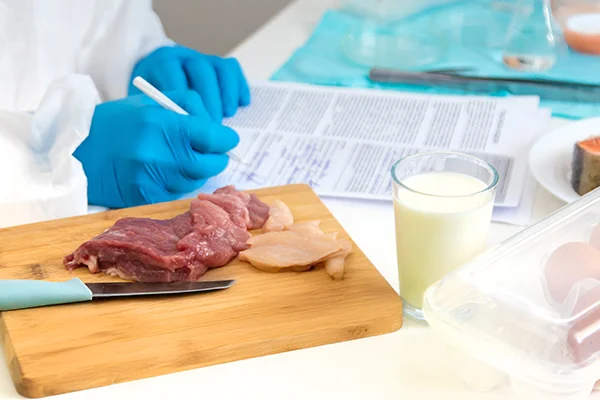
A PDCAAS calculator is an invaluable tool for nutritionists, food manufacturers, and anyone serious about protein quality. MenuSano’s food labelling platform includes built-in PDCAAS calculations for recipe formulation.
Calculate Your PDCAAS Score
Enter your amino acid score and true protein digestibility to calculate your PDCAAS score. The result is automatically capped at 1.0.
What Data You Need (and Where to Get It)
To calculate PDCAAS accurately for a finished product, you need two inputs that are often not on a standard Nutrition Facts panel:
- Amino acid profile (mg of each essential amino acid per g of protein). Common sources:
- Supplier specification sheets (best starting point for manufacturers)
- Lab testing (most defensible for novel proteins or high-stakes claims)
- Public databases for commodity ingredients (use carefully and document assumptions)
- Protein digestibility value. Common sources:
- Supplier-provided digestibility or published technical data
- Peer-reviewed references for well-studied proteins
- Lab analysis when supplier data isn’t available or your formulation/process changes digestibility
Important for food manufacturers: processing can change digestibility (e.g., heat treatment, extrusion, fermentation, isolation). If you’re making a protein-forward claim and your ingredient/process is novel, lab validation is often the safest path.
Step-by-Step Guide to Calculate PDCAAS
- Gather amino acid data for your protein source
- Compare to the reference pattern (WHO/FAO amino acid requirements)
- Identify the limiting amino acid (the lowest ratio)
- Obtain true digestibility value (from scientific literature)
- Calculate: PDCAAS = (Limiting amino acid ratio) × (True digestibility %)
- Cap at 1.0 if the result exceeds 100%
Benefits of PDCAAS Calculators
- For food manufacturers: Create accurate nutrition labels and optimize formulations
- For nutritionists: Design balanced meal plans with complete protein profiles
- For athletes: Ensure adequate protein quality for recovery and performance
- For product developers: Compare protein ingredients objectively
Referencing a PDCAAS score chart alongside your calculations ensures accuracy and helps identify complementary protein sources.
Real-World Examples
Let’s examine the PDCAAS scores of popular protein sources you’ll encounter in food service and product development:
Greek Yogurt PDCAAS: 1.0
Greek yogurt PDCAAS achieves a perfect score thanks to its concentrated milk proteins (casein and whey). The straining process removes liquid whey, concentrating the protein content while maintaining excellent digestibility and a complete amino acid profile. This makes Greek yogurt an ideal ingredient for high-protein menu items and food products.
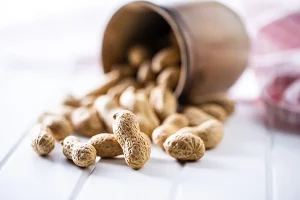
Peanut Butter PDCAAS: 0.52
Despite being protein-rich, peanut butter has a lower PDCAAS score due to its limited amino acid content (particularly lysine and methionine) and slightly lower digestibility. However, combining peanut butter with complementary proteins, such as whole-grain bread, significantly enhances overall protein quality, a valuable insight for menu planning.
Chicken PDCAAS: 1.0
PDCAAS chicken represents the gold standard for animal protein. Chicken breast offers complete amino acids in optimal ratios with digestibility exceeding 95%. This perfect score makes chicken a reliable protein base for countless food service applications.
Soy Protein Isolate PDCAAS: 1.0
Soy protein isolate, with a PDCAAS score of 1.0, is remarkable as one of the few plant-based proteins to achieve a perfect score. The isolation process removes fibre and other components that can inhibit digestibility, resulting in a protein powder comparable to animal sources. This makes it invaluable for vegan and vegetarian product formulations.
Pea Protein PDCAAS: 0.89
Pea protein PDCAAS scores high among plant proteins, though it’s slightly limited in methionine. Many manufacturers blend pea protein with rice protein (high in methionine) to create a complementary amino acid profile approaching 1.0, a smart formulation strategy for plant-based products.
Quick PDCAAS Reference (Common Manufacturer Ingredients)
| Protein Source | Typical PDCAAS | Common limiting amino acid | Formulation note |
| Whey / casein | 1.0 | None | Strong baseline for high-protein products |
| Soy isolate | 1.0 | None | One of the few plant proteins that can reach 1.0 |
| Pea protein | ~0.8–0.9 | Methionine | Often blended with rice protein |
| Rice protein | ~0.5–0.7 | Lysine | Complements pea protein well |
| Peanut protein | ~0.5 | Lysine, methionine | Works better in blends than alone |
(If you have lab/supplier-specific values, use those. This table is meant as a quick reference.)
Amino Acid Score Lists
The amino acid score is a key component of PDCAAS, representing how well a protein’s amino acid pattern matches human requirements. Here’s an amino acid score list for common proteins:
Complete Proteins (Score ≥ 1.0 before digestibility correction)
- Eggs: 1.21
- Milk: 1.14
- Whey protein: 1.15
- Chicken: 1.08
- Beef: 1.05
Incomplete Proteins (Score < 1.0)
- Wheat: 0.42 (limited in lysine)
- Rice: 0.63 (limited in lysine)
- Peas: 0.93 (limited in methionine)
- Peanuts: 0.59 (limited in lysine and methionine)
How Amino Acid Scores Relate to PDCAAS
The protein digestibility amino acid score (PDCAAS) multiplies the amino acid score by digestibility. For example:
- Soy protein might have an amino acid score of 1.0
- With 95% digestibility: 1.0 × 0.95 = 0.95
- Capped at 1.0 for PDCAAS reporting
This relationship highlights the importance of both composition and digestibility in accurately assessing protein quality.
Why PDCAAS Matters
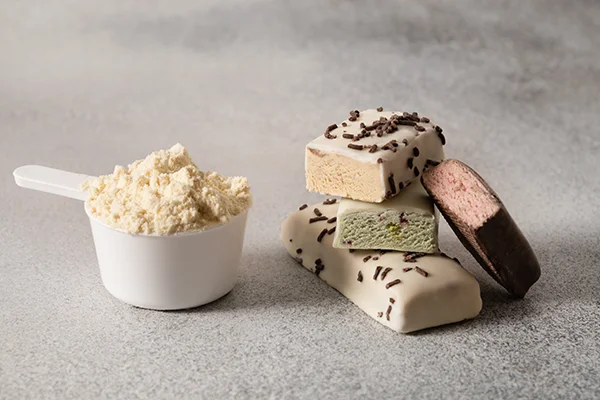
Understanding protein PDCAAS has practical implications across multiple applications. When PDCAAS Matters Most (Labelling + Protein Claims). If you’re a food manufacturer, PDCAAS becomes especially important when you’re doing more than just listing grams of protein.
Use PDCAAS when:
- You’re making a protein content claim (e.g., “source of protein,” “high in protein,” “excellent source of protein”).
- You need to support or defend the nutritional value of protein in a product that uses plant proteins, blends, or novel ingredients.
- You’re comparing proteins for formulation decisions and want to avoid “paper protein” (grams that don’t translate to usable essential amino acids).
Quick manufacturer checklist: Before you publish packaging or marketing:
- Confirm your protein sources and whether they’re likely to be limited by a specific essential amino acid.
- Document your amino acid data source (supplier vs lab vs database).
- Document digestibility assumptions (and whether processing could change them).
- Keep a calculation record (so you can defend the number internally or with partners).
For Diet Planning
Nutritionists use the protein grading scale to ensure clients receive adequate high-quality protein, essential for:
- Elderly populations with increased protein needs
- Athletes requiring optimal recovery
- Individuals following plant-based diets
- Clinical nutrition applications
For Sports Nutrition
The PDCAAS score has a direct impact on muscle protein synthesis. A protein with a score of 0.5 means you need twice as much to achieve the same biological effect as a 1.0-scored protein.
For Food Formulation
Food manufacturers rely on PDCAAS scores to:
- Create accurate nutrition labels
- Formulate products meeting specific protein quality claims
- Optimize ingredient costs while maintaining nutritional value
- Develop plant-based alternatives that compete with animal proteins
PDCAAS vs. DIAAS
While PDCAAS remains the regulatory standard, the newer Digestible Indispensable Amino Acid Score (DIAAS) offers refinements by measuring digestibility at the end of the small intestine rather than fecal digestibility. However, PDCAAS remains the required method for nutrition labelling in most jurisdictions.
PDCAAS FAQs (Common Questions)
Calculate (1) the recipe’s amino acid score (based on the limiting essential amino acid) and (2) the recipe’s digestibility (often a weighted average if multiple ingredients contribute protein). Then multiply them.
The limiting amino acid is the essential amino acid present in the lowest proportion relative to the reference pattern. It determines the amino acid score because it’s the bottleneck for protein synthesis.
Use each ingredient’s share of total protein contribution (not total ingredient weight), multiplied by its digestibility value, then sum the results.
Yes. DIAAS is often discussed as a newer approach, but PDCAAS remains the most widely used regulatory standard in many labelling contexts.
Many plant proteins score lower than animal proteins due to limiting amino acids and/or lower digestibility. Blending complementary proteins (e.g., pea + rice) is a common strategy to raise overall protein quality.
Ready to Apply PDCAAS to Your Food Products?
Understanding protein digestibility and PDCAAS enables a more comprehensive evaluation of protein quality, moving beyond simple gram counts to assess the actual nutritional value. Whether you’re formulating food products, creating nutrition labels, planning menus, or advising clients, the Protein Digestibility Corrected Amino Acid Score provides the scientific foundation for protein quality decisions.
By referencing PDCAAS score charts, using PDCAAS calculators, and understanding the grading scale of proteins, you can optimize protein selection for any application. From the perfect 1.0 scores of chicken and Greek yogurt to the strategic combination of complementary plant proteins, this knowledge empowers better nutrition outcomes.
Need accurate PDCAAS calculations for your food products?
MenuSano’s nutrition analysis software includes a built-in PDCAAS calculation method. Additionally, you can explore the various nutrition reports MenuSano offers. Whether you’re developing high-protein menu items, creating compliant nutrition labels for Canada, the US, or the UK markets, or formulating plant-based products, MenuSano streamlines the complex calculations, allowing you to focus on creating exceptional food products. Our software leverages comprehensive CFIA and FDA/USDA databases to ensure that your protein quality metrics are accurate and compliant with regulatory standards.
Ready to put PDCAAS into practice? Use this information for meal planning, supplement labelling, recipe formulation, ingredient list generation, or creating compliant nutrition labels. Understanding protein quality isn’t just academic; it’s the key to delivering real nutritional value in every product and meal you make.