
The cancer survivor population in North America represents one of the fastest-growing demographics in healthcare, and a critical opportunity for food service providers to deliver specialized nutritional support. According to the American Cancer Society, over 18 million cancer survivors currently live in the United States, with projections reaching 22 million by 2030. In Canada, approximately 1.5 million people are living with or beyond cancer.
For hospitals, senior living facilities, rehabilitation centers, and therapeutic meal delivery services, this demographic shift demands specialized menu engineering that addresses the unique nutritional challenges of cancer recovery. Survivors face persistent treatment side effects, altered taste, digestive sensitivity, muscle wasting, and immune compromise, which standard food service menus often fail to accommodate.
This guide provides food service operators with evidence-based strategies for creating recovery-focused menus that support healing, prevent malnutrition, ensure food safety, and position your organization as a leader in oncology nutrition care.
Key Takeaways for Food Service Operators
- 18+ million cancer survivors in the U.S. require specialized nutritional support, representing a growing market for food service providers.
- Cancer treatment presents unique nutritional challenges, including altered taste, digestive sensitivity, muscle wasting, immune compromise, and increased protein/calorie needs (1.0-1.5g protein/kg body weight) (1).
- Calorie-dense, nutrient-rich menus prevent malnutrition and weight loss while accommodating reduced appetite and early satiety.
- Food safety is critical: Neutropenic diet protocols safeguard immunocompromised survivors from foodborne illness by adhering to strict handling, cooking, and sanitation standards.
- Nutritional needs evolve across the cancer continuum, from gentle, bland options during active treatment to plant-forward, cancer-preventive nutrition in long-term survivorship.
- Transparent nutrition information fosters trust, supports informed clinical decision-making, and distinguishes your organization as a leader in oncology nutrition care.
- Professional nutrition analysis software MenuSano automates calculations, ensures regulatory compliance, and streamlines the development of specialized menus.
The Business Case for Cancer Recovery Nutrition Programs
Before diving into nutritional strategies, understand why specialized cancer recovery menus represent both a clinical imperative and a competitive advantage:
1. Growing Market Demand
- 18+ million U.S. cancer survivors require ongoing nutritional support
- 67% of survivors experience long-term treatment side effects affecting nutrition
- Hospital readmission rates decrease 15-20% with proper nutritional intervention
- Senior living facilities increasingly serve aging cancer survivor populations
2. Clinical Outcomes and Liability Reduction
- Proper nutrition reduces infection rates, shortens hospital stays, and improves treatment tolerance.
- Malnutrition affects 30-85% of cancer patients, increasing complications and costs.
- Specialized menus demonstrate duty of care and reduce liability exposure.
3. Competitive Differentiation
- Facilities with oncology nutrition programs attract referrals from oncologists and care coordinators
- Families prioritize facilities that demonstrate expertise in specialized dietary needs
- Transparent nutrition information builds trust with medically complex populations
4. Regulatory Compliance and Accreditation
- Joint Commission and CMS standards increasingly emphasize nutrition screening and intervention
- Documented nutrition care plans support reimbursement and quality metrics
- Accurate nutrition labelling protects vulnerable populations
Understanding Cancer Treatment’s Impact on Nutrition
Cancer treatment, chemotherapy, radiation, surgery, immunotherapy, and targeted therapies create profound nutritional challenges that persist months or years after treatment completion.
Common Nutritional Complications
Altered Taste and Smell (Dysgeusia/Dysosmia):
- Affects 50-75% of chemotherapy patients
- Metallic taste, bitter flavours, food aversions
- Can persist 6-12 months post-treatment
- Menu impact: Requires alternative flavour profiles and serving temperatures
Gastrointestinal Dysfunction:
- Nausea, vomiting, diarrhea, constipation
- Mucositis (mouth and throat sores) in 40% of patients
- Gut microbiome disruption
- Menu impact: Demands gentle, easy-to-digest options with texture modifications
Reduced Appetite and Early Satiety:
- Fatigue and medication side effects suppress hunger
- Small stomach capacity due to surgery or tumour pressure
- Menu impact: Requires calorie-dense, nutrient-rich small portions
Dysphagia (Swallowing Difficulties):
- Affects 50% of head/neck cancer patients
- Painful swallowing, aspiration risk
- Menu impact: Necessitates texture-modified diets (pureed, minced, soft)
Immunosuppression:
- Neutropenia (low white blood cell count) increases infection risk
- Menu impact: Requires strict food safety protocols and neutropenic diet options
Cancer Cachexia (Muscle Wasting):
- Affects 50-80% of advanced cancer patients
- Involuntary weight loss, muscle depletion, weakness
- Menu impact: Demands high-protein, high-calorie interventions
Micronutrient Deficiencies:
- Treatment depletes vitamin D, B vitamins, iron, zinc, and selenium
- Menu impact: Requires nutrient-dense ingredients and fortification strategies
Why Food Service Must Adapt

Standard institutional menus, designed for general populations, often fail to address the specialized needs of these groups. Cancer survivors require:
- Higher protein (1.0-1.5g/kg vs. 0.8g/kg for the general population)
- Increased calories when experiencing weight loss
- Modified textures for swallowing safety
- Immune-safe food handling to prevent foodborne illness
- Flexible portion sizes to accommodate fluctuating appetite
- Taste-adapted recipes to overcome dysgeusia
Food service operations that implement cancer recovery nutrition programs improve clinical outcomes, reduce waste (better plate consumption), and enhance patient/resident satisfaction scores.
Evidence-Based Nutritional Priorities for Cancer Recovery
1. Adequate Protein for Tissue Repair and Muscle Preservation
Clinical Requirement:
Cancer survivors require 1.0-1.5 grams of protein per kilogram of body weight daily, which is significantly higher than the recommended amount for the general population (0.8g/kg). For a 70kg (154 lb) survivor, this translates to 70-105g protein daily.
Why Protein Matters:
- Repairs tissue damage from surgery and radiation
- Prevents muscle wasting (cachexia)
- Supports immune function
- Enhances treatment tolerance and recovery speed
High-Quality Protein Sources for Menu Planning:
Animal Proteins (complete amino acid profiles):
- Lean poultry: chicken breast, turkey (25-30g protein per 4oz)
- Fish: salmon, cod, tilapia (20-25g protein per 4oz)
- Eggs: whole eggs, egg whites (6g protein per egg)
- Greek yogurt: (15-20g protein per cup)
- Cottage cheese: (25g protein per cup)
Plant Proteins (combine for complete profiles):
- Legumes: lentils, chickpeas, black beans (15-18g protein per cup cooked)
- Quinoa: complete plant protein (8g protein per cup cooked)
- Tofu and tempeh: (15-20g protein per 4oz)
- Edamame: (17g protein per cup)
Protein Fortification Strategies:
- Add protein powder to smoothies, oatmeal, and soups (20-25g per scoop)
- Fortify mashed potatoes with Greek yogurt or milk powder
- Offer protein-rich snacks between meals (hard-boiled eggs, cheese, nuts)
- Create high-protein desserts (protein pudding, Greek yogurt parfaits)
MenuSano Advantage:
Use the Protein Quality Report to analyze amino acid profiles and protein digestibility (PDCAAS scores), ensuring survivors receive complete, bioavailable protein in every meal.
2. Calorie-Dense Options for Weight Maintenance
Clinical Challenge:
Unintentional weight loss affects 30-80% of cancer patients, increasing complications, reducing treatment tolerance, and worsening outcomes. Survivors often cannot consume large volumes, requiring calorie-dense, nutrient-rich options.
Target: 25-30 calories per ounce of food (vs. 15-20 for standard meals)
Calorie-Dense Menu Strategies:
Healthy Fat Additions (9 calories/gram):
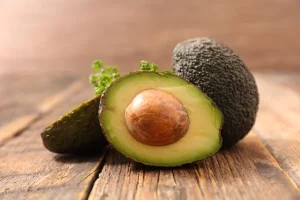
- Avocado: add to sandwiches, salads, smoothies (240 calories per avocado)
- Nuts and nut butters: almonds, peanut butter, almond butter (160-200 calories per 2 tbsp)
- Olive oil: drizzle on vegetables, grains (120 calories per tbsp)
- Full-fat dairy: whole milk, cream, cheese (vs. low-fat versions)
- Seeds: chia, flax, pumpkin seeds in yogurt, oatmeal
Fortified Beverages:
- Protein smoothies: fruit, Greek yogurt, protein powder, nut butter (400-600 calories)
- Milkshakes: ice cream, whole milk, protein powder (500-700 calories)
- Nutritional supplement drinks: as snacks between meals
Small, Frequent Meals:
- Offer 5-6 small meals vs. 3 large meals
- Provide grab-and-go protein snacks (cheese, nuts, protein bars)
- Create “power bowls” with multiple calorie-dense ingredients
Recipe Fortification:
- Add cream, butter, or cheese to soups and sauces
- Stir powdered milk into mashed potatoes, casseroles
- Use honey or maple syrup to add calories to bland foods
- Blend pureed beans into soups for protein and calories
3. Easy-to-Digest, Gentle Foods for GI Sensitivity
Clinical Challenge:
Chemotherapy and radiation damage the gastrointestinal lining, causing nausea, diarrhea, constipation, and abdominal pain. Menus must include low-fibre, low-residue, bland options during acute phases.
Gentle Food Options:
Low-Fibre Starches (during acute GI distress):
- White rice, plain pasta, white bread
- Cream of wheat, oatmeal (well-cooked)
- Saltine crackers, pretzels
- Mashed potatoes (no skins)
Well-Cooked Vegetables:
- Steamed carrots, green beans, zucchini (peeled, seedless)
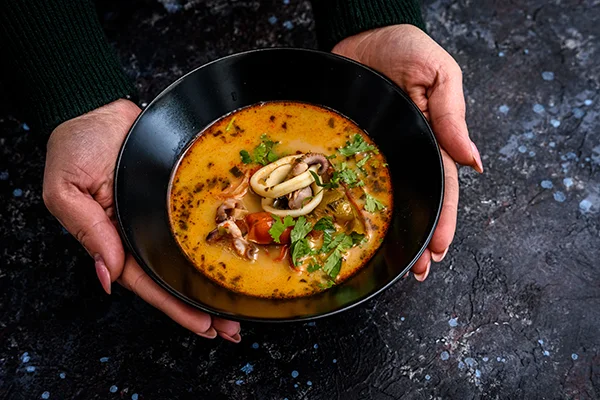
- Pureed vegetable soups (butternut squash, carrot-ginger)
- Avoid raw vegetables, cruciferous vegetables, and high-fibre options during flare-ups.
Bland Proteins:
- Baked or poached chicken breast
- White fish (cod, tilapia, sole)
- Scrambled eggs or egg whites
- Smooth nut butters
Soothing Foods:
- Bananas, applesauce, canned peaches (BRAT diet components)
- Broths: chicken, vegetable, bone broth
- Ginger-infused items: ginger tea, ginger cookies (anti-nausea properties)
- Plain yogurt with live cultures (probiotic support)
Foods to Avoid During GI Distress:
- Raw vegetables and salads
- High-fibre whole grains
- Spicy, acidic, or heavily seasoned foods
- Fried or greasy foods
- Gas-producing foods (beans, cruciferous vegetables, carbonated drinks)
4. Immune-Supporting Nutrients and Antioxidants
Clinical Challenge:
Cancer treatment can suppress immune function, thereby increasing the risk of infection. Nutrition plays a critical role in immune recovery through vitamins, minerals, and phytonutrients.
Key Immune-Supporting Nutrients:
- Vitamin C (antioxidant, immune cell function):
- Citrus fruits: oranges, grapefruit, lemons
- Berries: strawberries, blueberries, raspberries
- Bell peppers, broccoli, Brussels sprouts
- Target: 75-90mg daily (easily met with 1 cup berries + 1 orange)
Vitamin D (immune regulation, bone health):
- Fatty fish: salmon, mackerel, sardines
- Fortified dairy and plant milks
- Egg yolks, mushrooms (UV-exposed)
- Target: 600-800 IU daily (often requires supplementation)
Zinc (wound healing, immune cell production):
- Shellfish: oysters, crab, lobster
- Beef, pork, poultry
- Pumpkin seeds, chickpeas, lentils
- Target: 8-11mg daily
Selenium (antioxidant, thyroid function):
- Brazil nuts (1-2 nuts = 100% DV)
- Fish, poultry, eggs
- Whole grains, sunflower seeds
- Target: 55mcg daily
Antioxidants (reduce oxidative stress):
- Colourful fruits and vegetables (phytonutrients)
- Green tea (EGCG catechins)
- Dark chocolate (flavonoids, in moderation)
- Turmeric, ginger (anti-inflammatory compounds)
MenuSano Advantage:
Generate Breakdown Reports showing micronutrient content for every menu item, allowing you to identify and promote immune-supporting meals to survivors and care teams.
5. Hydration and Electrolyte Balance
Clinical Challenge:
Dehydration is common due to vomiting, diarrhea, fever, and reduced fluid intake. Electrolyte imbalances (specifically sodium, potassium, and magnesium) can cause weakness, confusion, and cardiac issues.
Hydration Strategies:
Fluid-Rich Foods:
- Broths and soups at every meal
- Water-rich fruits: watermelon, cantaloupe, oranges, grapes
- Water-rich vegetables: cucumbers, celery, tomatoes, lettuce
- Smoothies and protein shakes
Electrolyte-Enhanced Beverages:
- Coconut water (natural potassium source)
- Electrolyte drinks (low-sugar options)
- Herbal teas (ginger, peppermint for nausea)
Creative Hydration:
- Frozen fruit popsicles (made from 100% juice)
- Gelatin desserts (Jello)
- Fruit-infused water stations
Avoid:
- Excessive caffeine (diuretic effect)
- High-sodium processed foods (increase fluid needs)
- Alcohol (dehydrating, interferes with medications)
Food Safety: Critical Protocols for Immunocompromised Populations
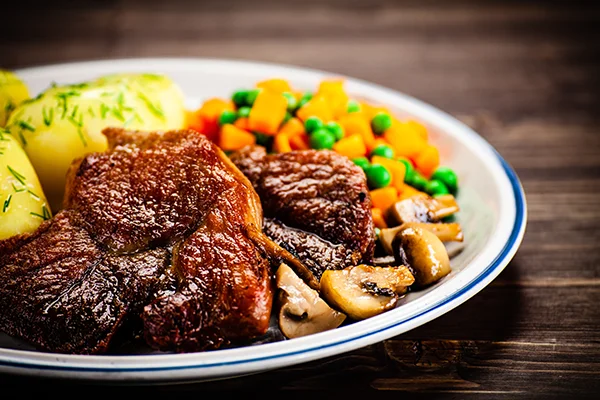
Cancer survivors undergoing active treatment or within 3-6 months post-treatment often have neutropenia (low white blood cell counts), dramatically increasing foodborne illness risk. Food service operations must implement protocols for a neutropenic diet.
Neutropenic Diet Guidelines
Foods to Avoid (High Infection Risk):
- Raw or undercooked proteins: No rare meat, raw fish/sushi, raw eggs
- Unpasteurized products: Raw milk, soft cheeses (brie, feta, blue cheese), unpasteurized juices
- Raw sprouts: Alfalfa, bean sprouts, microgreens
- Unwashed raw vegetables and fruits: Must be thoroughly washed or cooked
- Deli meats and hot dogs: Unless heated to steaming (165°F)
- Buffet and self-serve items: Cross-contamination risk
Safe Food Handling Practices:
- Cook all proteins to safe internal temperatures (165°F poultry, 145°F fish, 160°F ground meat)
- Wash all produce thoroughly under running water
- Use separate cutting boards for raw proteins and produce
- Maintain cold chain (refrigerate at ≤40°F, freeze at ≤0°F)
- Implement strict hand hygiene and glove protocols
- Date and label all prepared foods (discard after 24-48 hours)
Kitchen Sanitation:
- Daily sanitization of all food contact surfaces
- Regular equipment calibration (thermometers, refrigeration)
- Staff health screening (exclude ill workers)
- Pest control programs
MenuSano Advantage:
Utilize allergen declaration features to identify potential cross-contamination risks and provide clear, safe menu labelling for immunocompromised populations.
Addressing Taste Changes and Food Aversions
Clinical Challenge:
Chemotherapy-induced dysgeusia (taste alterations) affects 50-75% of patients, causing metallic tastes, bitter flavours, and food aversions that make eating unpleasant.
Menu Strategies for Taste Changes
Combat Metallic Taste:
- Use plastic, wooden, or bamboo utensils instead of metal
- Marinate proteins in citrus juices, vinegar, or fruit-based sauces
- Offer tart or acidic foods: lemonade, pickles, citrus fruits
- Rinse mouth with baking soda solution before meals
Enhance Flavour Perception:
- Provide strong seasonings on the side: garlic, herbs, spices, hot sauce
- Use umami-rich ingredients: mushrooms, tomatoes, soy sauce, Parmesan
- Add sweetness to balance bitterness: honey, maple syrup, fruit
- Experiment with temperature: serve foods cold or at room temperature if hot food smells are overwhelming
Visual Appeal:
- Colourful plate presentations stimulate appetite
- Garnish with fresh herbs, lemon wedges, and edible flowers
- Use attractive plating to compensate for reduced taste/smell
Texture Variety:
- Offer crunchy elements (toasted nuts, crispy vegetables) if tolerated
- Provide smooth, creamy options (puddings, smoothies) for mouth sores
- Create contrast within dishes (soft protein with crunchy topping)
Menu Planning Across the Cancer Recovery Continuum
Nutritional needs evolve throughout the cancer journey. Food service operations should offer menu options that are stage-appropriate.
During Active Treatment (Chemotherapy/Radiation)
Nutritional Priorities:
- Prevent weight loss and malnutrition
- Manage treatment side effects (nausea, mouth sores, diarrhea)
- Maintain hydration
- Ensure food safety (neutropenic diet)
Menu Characteristics:
- Small, frequent meals (5-6 per day)
- Bland, easy-to-digest options are prominently featured
- High-calorie, high-protein choices
- Texture-modified options (soft, pureed)
- Ginger and peppermint for nausea
- Cold or room-temperature foods, if hot food smells trigger nausea
Sample Menu Items:
- Protein smoothies with banana, nut butter, oats
- Chicken and rice soup (well-cooked, low-fibre)
- Scrambled eggs with avocado
- Mashed potatoes with gravy and shredded chicken
- Greek yogurt parfait with honey and soft granola
- Ginger tea and saltine crackers
Early Recovery (0-6 Months Post-Treatment)
Nutritional Priorities:
- Restore weight and muscle mass
- Gradually increase dietary variety
- Address lingering side effects (taste changes, fatigue)
- Support immune system recovery
Menu Characteristics:
- Increased protein targets (1.2-1.5g/kg)
- Gradual reintroduction of fibre and raw foods
- Immune-supporting nutrients emphasized
- Continued calorie-dense options for weight restoration
- Flexible portion sizes
Sample Menu Items:
- Grilled salmon with roasted sweet potatoes and steamed broccoli
- Quinoa Buddha bowl with chickpeas, avocado, and tahini dressing
- Turkey and avocado sandwich on whole-grain bread
- Lentil soup with whole-grain roll
- Berry smoothie bowl with granola, chia seeds, and almonds
Long-Term Survivorship (6+ Months Post-Treatment)
Nutritional Priorities:
- Maintain a healthy weight
- Reduce cancer recurrence risk through diet
- Support overall wellness and chronic disease prevention
- Transition to sustainable, health-promoting eating patterns
Menu Characteristics:
- Plant-forward, whole food emphasis
- Lean proteins, healthy fats, and whole grains
- Abundant fruits and vegetables (aim for 5-9 servings daily)
- Limited processed foods, added sugars, red/processed meats
- Portion control for weight management
Sample Menu Items:
- Mediterranean-style grilled chicken with quinoa tabbouleh
- Black bean and sweet potato tacos with cabbage slaw
- Baked cod with lemon-herb sauce, brown rice, roasted vegetables
- Spinach and berry salad with grilled chicken, walnuts, and balsamic vinaigrette
- Vegetable stir-fry with tofu and brown rice
Practical Implementation in a Food Service Setting
For Hospitals and Cancer Treatment Centers
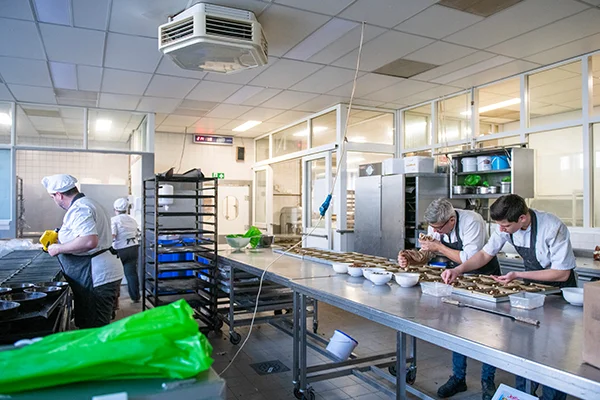
Menu Design:
- Create a dedicated “Recovery Menu” or “Gentle Options” section
- Offer room service or on-demand ordering for flexibility
- Provide family meal options that accommodate survivor needs
- Include grab-and-go protein snacks on patient floors
Operational Protocols:
- Train dietary staff on oncology nutrition principles
- Implement neutropenic diet protocols for immunocompromised patients
- Partner with registered dietitians for individualized meal planning
- Conduct bedside nutrition consultations within 24-48 hours of admission
Quality Metrics:
- Track plate waste and patient satisfaction scores
- Monitor unintentional weight loss rates
- Measure protein intake vs. targets
- Document nutrition interventions and outcomes
For Senior Living and Long-Term Care Facilities
Menu Design:
- Develop texture-modified options (pureed, minced, soft) for dysphagia
- Offer multiple dining times to accommodate fatigue and medication schedules
- Provide high-protein snacks between meals (cheese, nuts, yogurt, protein bars)
- Create “comfort food” versions with enhanced nutrition (fortified mashed potatoes, protein-enriched soups)
Operational Protocols:
- Screen all residents for malnutrition risk using validated tools (MNA, SGA)
- Monitor weight and intake weekly for at-risk residents
- Create social dining experiences that encourage eating (family-style meals, themed dinners)
- Train dining staff to recognize and report nutrition concerns
Engagement Strategies:
- Host “Nutrition and Cancer Recovery” educational sessions for residents and families
- Celebrate milestones (treatment completion, weight restoration)
- Involve residents in menu planning and recipe selection
For Meal Delivery and Home Care Services
Menu Design:
- Design survivor-specific meal plans with clear nutritional information
- Offer customization for dietary restrictions (low-fibre, high-protein, texture-modified)
- Provide family-style portions for shared meals (reduces caregiver burden)
- Include easy-to-prepare options requiring minimal cooking
Operational Protocols:
- Provide clear heating and food safety instructions
- Include nutrition education materials with deliveries
- Offer telehealth nutrition consultations
- Partner with oncology practices for referrals
Packaging and Labelling:
- Clearly label protein and calorie content
- Include allergen and ingredient information
- Provide storage and reheating instructions
- Use tamper-evident packaging for food safety
How MenuSano Supports Cancer Recovery Nutrition Programs
Creating specialized menus for cancer survivors requires precise nutritional analysis, flexibility, and regulatory compliance. MenuSano’s features are specifically designed to support oncology nutrition care:
Comprehensive Nutrition Analysis
- Generate compliant nutrition labels for Canada (CFIA), the US (FDA), and the UK
- Access detailed nutrient breakdowns beyond basic macros (vitamins, minerals, amino acids)
- Identify micronutrient content to highlight immune-supporting ingredients
- Calculate net carbs, fibre, and sugar alcohols for specialized diets
Protein Quality Reports
- Analyze amino acid profiles to ensure complete proteins
- Calculate PDCAAS (Protein Digestibility Corrected Amino Acid Score)
- Optimize recipes for maximum protein bioavailability
- Support muscle preservation and tissue repair goals
Allergen Detection and Food Safety
- Flag potential allergens and cross-contamination risks (critical for immunocompromised populations)
- Ensure safe menu options for multiple dietary restrictions
- Generate clear, compliant allergen labelling
Recipe Costing and Menu Engineering
- Balance nutritional quality with budget constraints
- Optimize ingredient costs without sacrificing nutrition
- Plan seasonal menus that support recovery goals
- Identify high-margin, nutrient-dense menu items
Multi-Column and Comparison Reports
- Compare nutritional profiles across menu options
- Help survivors and care teams make informed choices
- Demonstrate commitment to transparency and quality
- Support clinical documentation and care planning
Scalability and Efficiency
- Manage large recipe databases across multiple facilities
- Update nutrition information instantly when recipes change
- Generate batch reports for entire menus
- Integrate with existing food service management systems
Position Your Organization as a Leader in Cancer Recovery Nutrition
Food service providers have a profound opportunity to support cancer survivors during one of the most challenging periods of their lives. By understanding specialized nutritional needs, implementing evidence-based menu strategies, and ensuring food safety, your organization can enhance clinical outcomes, improve satisfaction, and establish a reputation for excellence in oncology nutrition care.
Whether you’re serving patients in hospitals, residents in senior living facilities, or delivering meals to homes, the quality and nutritional integrity of your food directly impacts recovery, quality of life, and long-term health outcomes. Accurate nutrition information isn’t just about regulatory compliance; it’s also about clinical care, patient empowerment, and healing support.
MenuSano’s nutrition analysis software enables hospitals, senior living facilities, and meal delivery services to create accurate nutrition labels, analyze protein quality, ensure food safety, and effectively communicate nutritional value. Whether you’re developing a dedicated cancer recovery menu, reformulating recipes for specialized needs, or ensuring multi-jurisdiction compliance, professional nutrition analysis tools transform oncology nutrition care from a challenge into a competitive advantage.
Ready to create menus that truly support cancer recovery? Start your 7-day free trial of MenuSano today and discover how precise nutrition analysis empowers you to serve your most vulnerable populations with confidence, compassion, and clinical excellence.