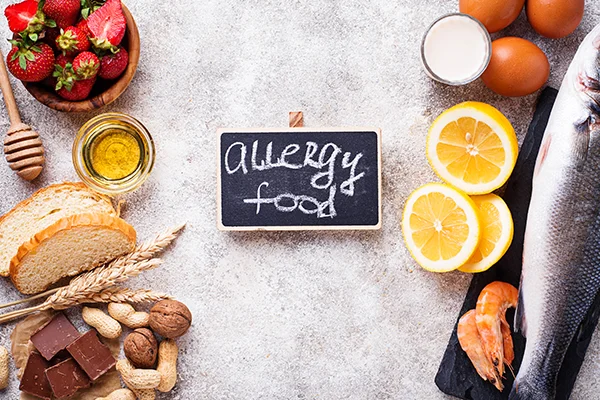
Understanding the scope of Natasha’s Law is essential for UK food businesses, exporters, and international food brands aiming to comply with global allergen regulations. The law has not only reshaped allergen labelling practices in the UK but also influenced discussions worldwide about consumer safety and transparency in food labelling. This comprehensive guide explores Natasha’s Law, its application in the UK, international allergen legislation, and the considerations for businesses exporting food globally.
Key Takeaways
- Natasha’s Law mandates that all prepacked for direct sale (PPDS) foods in the UK must carry a full ingredients list with all 14 major allergens clearly emphasized.
- The law applies to cafés, bakeries, takeaways, supermarkets, and contract caterers selling PPDS foods directly to consumers.
- International allergen regulations vary significantly, with the EU, US, Canada, and Australia adopting different approaches to ingredient and allergen labelling.
- UK exporters must ensure that labels meet local requirements in target markets, including terminology, emphasis on allergens, and ingredient disclosures.
- Adopting best-in-class allergen labelling supports compliance, builds consumer trust, and positions businesses as leaders in food safety.
Natasha’s Law: Overview and UK Application
Introduced in October 2021, Natasha’s Law represents a transformative step in UK food labelling regulations. Named after Natasha Ednan-Laperouse, who tragically died from an allergic reaction after consuming a baguette containing undeclared sesame seeds, the law mandates full ingredient and allergen transparency for all PPDS foods.
Under the legislation:
- All 14 major allergens must be clearly emphasized in the ingredients list.
- PPDS foods include items made on-site or packaged by a retailer before sale, such as sandwiches, bakery items, and ready-to-eat meals.
- Businesses of all sizes, from small cafés to supermarkets, are legally obliged to comply.
- Failure to comply can result in serious legal consequences, including fines and reputational damage.
Natasha’s Law sets a higher standard for allergen labelling than the previous UK framework, particularly in hospitality and foodservice sectors, where prepacked foods were previously exempt from such detailed requirements.
Comparing Allergen Laws: UK, EU, US, Canada, Australia
United Kingdom: Natasha’s Law
- Full ingredient lists and highlighting of 14 major allergens for PPDS foods.
- Covers cafés, bakeries, contract caterers, supermarkets, and takeaways.
- Emphasis on direct-sold foods, ensuring consumers can make informed choices on-site.
European Union: Food Information to Consumers Regulation
- The Food Information to Consumers Regulation governs the disclosure of allergens across the EU.
- Prepackaged foods must display the full list of ingredients, and 14 specific allergens must be clearly emphasized.
- Non-prepacked foods must have allergen information available, but no PPDS-specific requirements exist, unlike in the UK.
- Terminology, such as “nuts” or “tree nuts,” may vary slightly between member states.
United States: FALCPA
- The Food Allergen Labelling and Consumer Protection Act (FALCPA) requires the declaration of 9 major allergens on pre-packaged foods.
- Full ingredient lists are not required for foods sold directly in-store or prepared in restaurants.
- Allergen labelling for foodservice and on-site preparation is generally less stringent than in the UK.
- Common allergens include milk, eggs, peanuts, tree nuts, soy, wheat, fish, shellfish, and now sesame.
Canada: Enhanced Allergen Labelling
- Canada requires the declaration of 11 priority allergens, including gluten sources.
- Ingredient and allergen lists are mandatory for prepackaged foods.
- Foods prepared on-site for immediate consumption have less strict allergen labelling requirements than PPDS foods in the UK.
- Canadian regulations emphasize clear, bilingual labelling in English and French.
Australia/New Zealand: Food Standards Code
- The Food Standards Code requires the declaration of 10 allergens on prepackaged foods.
- Allergen information must be available for unpackaged foods, such as bakery items or deli products.
- No equivalent to Natasha’s Law exists; prepacked direct sale foods are not subject to mandatory full ingredient labelling.
What UK Exporters Need to Know About International Allergen Regulations
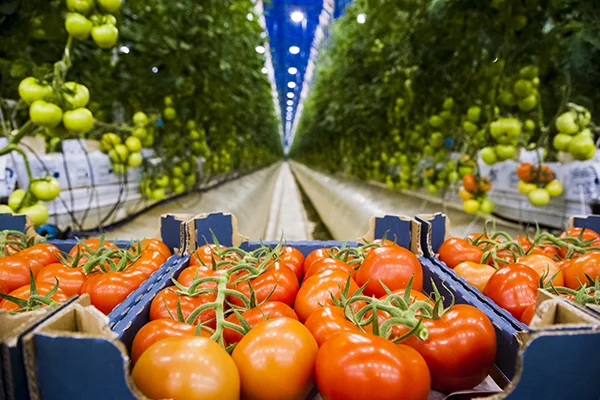
For UK businesses exporting food products, it is crucial to recognize that international allergen laws differ significantly from those outlined in Natasha’s Law. Key considerations include:
- Ingredient and Allergen Terminology
- Differences exist in allergen naming conventions, for example, between “peanut” and “groundnut.”
- Certain allergens have threshold levels, such as sulphites in the EU and Canada.
- Label Formatting and Highlighting
- Some markets require bold or colour emphasis for allergens, while others accept standard formatting.
- Local Food Safety Laws
- Each country may mandate specific labelling for packaged and non-packaged foods, including nutritional disclosures or bilingual text.
- Multi-Market Compliance Tools
- MenuSano enable businesses to generate labels compliant with standards in the UK, US, and Canada, thereby reducing risk and ensuring accuracy.
Exporters must conduct regular audits of local regulations and adjust labels before shipment to avoid import delays, recalls, or legal penalties.
The Global Impact of Natasha’s Law
Natasha’s Law has not only transformed allergen transparency in the UK but has also influenced international discourse on food labelling standards. Key global impacts include:
- Raising consumer expectations: Shoppers now expect clear allergen information even for foods prepared on-site.
- Encouraging regulatory review: Countries like Australia and Canada are evaluating whether similar PPDS allergen labelling laws are necessary.
- Promoting industry best practices: Leading food brands now implement proactive allergen labelling beyond legal minimums to maintain trust and reduce risk.
- Supporting global compliance for exporters: UK businesses can leverage Natasha’s Law frameworks to position themselves as leaders in allergen transparency abroad.
Adopting comprehensive allergen labelling practices offers more than legal compliance; it serves as a trust signal to consumers, enhances brand reputation, and mitigates risk in increasingly complex international markets.
Global Compliance in Practice
Natasha’s Law has set a new standard for allergen labelling, particularly for PPDS foods in the UK. Understanding its application, comparing it with EU, US, Canadian, and Australian regulations, and preparing for international compliance are crucial for businesses selling both domestically and abroad. By adopting rigorous allergen transparency standards and utilizing MenuSano for multi-market label generation and nutrition analysis, food businesses can protect consumers, meet legal obligations, and strengthen their global reputation.