Prepacked for Direct Sale (PPDS) foods occupy a critical space within the UK food supply chain, particularly across cafés, bakeries, sandwich shops, convenience stores, and food-to-go outlets. PPDS foods are prepared, packed, and made available for sale on the same premises, before the consumer selects or orders them. Unlike made-to-order foods or loose items, PPDS foods are already enclosed in packaging and displayed for customer self-selection.
From a regulatory standpoint, PPDS foods are distinct because they combine elements of freshly prepared food with the consumer expectations associated with packaged products. This dual nature is precisely why they are subject to some of the strictest allergen labelling requirements in the UK.
Food allergies are a significant public health issue: an estimated 6% of UK adults, around 2.4 million people, have a clinically confirmed food allergy, according to the Food Standards Agency’s Patterns and Prevalence of Adult Food Allergy (PAFA) report
We see PPDS foods most commonly in environments where speed, convenience, and high turnover are essential. These foods must remain fully transparent in their composition to protect consumers with food allergies and intolerances.
Key Takeaways
- PPDS foods are tightly regulated in the UK due to their packaged nature and the high risk they pose to consumers with food allergies.
- Natasha’s Law requires full ingredient lists on all PPDS foods, with all 14 major allergens clearly emphasized within the ingredients.
- Compliance applies to all food businesses, regardless of size, including cafés, bakeries, takeaways, and in-store foodservice operations.
- Accurate, up-to-date labelling is essential, particularly when recipes, ingredients, or suppliers change.
- MenuSano can help reduce risk, improve efficiency, and maintain consistent compliance across single or multi-site operations.
What Qualifies as PPDS Food Under UK Law
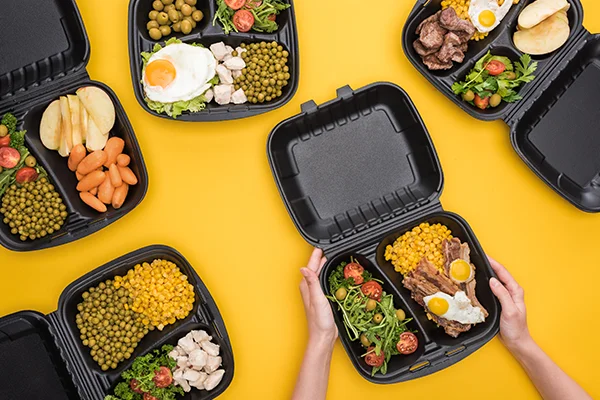
To determine whether a product is classified as PPDS, food businesses must assess how and where the food is prepared, packed, and offered for sale. PPDS foods meet all of the following conditions:
- The food is packed before being offered or sold
- Packing takes place on the same premises where it is sold
- The food is fully enclosed in packaging
- The consumer selects the product themselves
Foods packed at a central manufacturing site, foods wrapped at the customer’s request, and foods served loose or made to order are not considered PPDS and are subject to different allergen information requirements.
Examples of PPDS Foods in Food Businesses
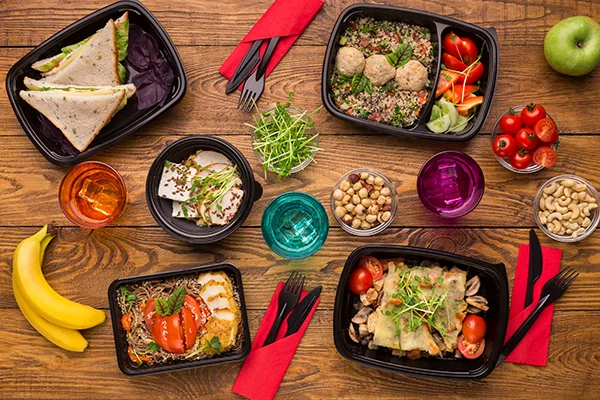
PPDS foods appear across nearly every foodservice category, particularly in grab-and-go and self-service environments. Common examples include:
- Sandwiches, wraps, and baguettes are prepared and wrapped on-site
- Salads and pasta pots packaged in-store for chilled display
- Sushi boxes prepared and sealed on the premises
- Bakery items such as pastries, rolls, and muffins are wrapped for self-service
- Deli products, including quiches, sausage rolls, and filled pastries, are packed in-store
- Ready meals and meal deals are assembled, labelled, and sold from the exact location.
While these products may appear straightforward, they often contain complex ingredient lists and multiple allergens, increasing the importance of accurate and consistent labelling.
Natasha’s Law and Its Impact on PPDS Food Labelling
Natasha’s Law came into force in October 2021, fundamentally changing how PPDS foods must be labelled in the UK. The legislation was introduced to strengthen allergen transparency following a fatal allergic reaction caused by inadequate food labelling.
Under Natasha’s Law, every PPDS food must display a whole ingredients list, with all allergens clearly emphasized within that list. This marked a significant shift away from reliance on verbal allergen information and optional signage.
Core Labelling Requirements Under Natasha’s Law
To comply with the legislation, PPDS food labels must meet several mandatory criteria. At a minimum, the label must include:
- A full ingredients list, ordered by weight
- All 14 major allergens are emphasized each time they appear
- Clear, legible, and indelible text
- Accurate information reflecting the current recipe and suppliers
Acceptable methods of allergen emphasis include bold text, CAPITAL LETTERS, or contrasting colour, provided the focus is consistent and easily identifiable.
These requirements apply regardless of business size, meaning independent cafés and national chains are held to the same legal standard.
Allergen Labelling Rules Specific to PPDS Foods
PPDS allergen labelling goes beyond simply listing allergens. Food businesses must implement processes that ensure ongoing accuracy and consistency, including the following:
- Allergens are highlighted within the ingredients list, not separately
- Compound ingredients disclose their sub-ingredients in full
- Allergens are emphasized every time they appear, including within sub-ingredients
- Labels are updated immediately when recipes, suppliers, or formulations change
- Documentation is maintained to demonstrate compliance during inspections
Failure to meet these standards can result in enforcement action, reputational damage, and serious consumer safety risks.
Where Natasha’s Law Applies

Natasha’s Law applies broadly across the UK food sector. Any operation producing PPDS foods must comply fully, without exception. This includes:
- Cafés and coffee shops
- Bakeries and patisseries
- Takeaways and food-to-go outlets
- Supermarkets with in-store food preparation
- Contract catering and workplace canteens
- Hospital, school, and university foodservice
Understanding whether your operation produces PPDS foods is a critical first step in meeting legal obligations.
How MenuSano Supports PPDS Compliance
Managing PPDS compliance manually introduces unnecessary risk, particularly where menus, suppliers, or sites change frequently. MenuSano offers a centralized, automated solution specifically tailored to ensure food labelling accuracy and regulatory compliance. Using MenuSano allows food businesses to:
- Declare allergens seamlessly
- Track ingredients and allergens across all recipes
- Automatically generate Natasha’s Law–compliant ingredient lists
- Apply consistent allergen emphasis formatting
- Instantly update labels when recipes or suppliers change
- Maintain audit-ready records for inspections
- Ensure consistency across single or multi-site operations
Automation significantly reduces human error while improving operational efficiency, making compliance sustainable rather than reactive.
The 14 Major Food Allergens: Essential Information for Food Businesses

UK food law recognizes 14 major allergens that must be declared when present in food. These allergens are responsible for the majority of severe allergic reactions and must be clearly communicated to consumers. The 14 major allergens are:
- Cereals containing gluten (wheat, rye, barley, oats, spelt, khorasan)
- Crustaceans
- Eggs
- Fish
- Peanuts
- Soybeans
- Milk
- Nuts (almonds, hazelnuts, walnuts, cashews, pecans, Brazil nuts, pistachios, macadamia)
- Celery
- Mustard
- Sesame
- Sulphur dioxide and sulphites
- Lupin
- Molluscs
Each allergen must be declared whenever it is present, regardless of the quantity. Here’s a complete guide on the 14 Major Food Allergens.
Legal Requirements for Allergen Declaration
For PPDS foods, allergen information must meet strict standards for presentation and accuracy. Specifically, allergens must be:
- Included within the ingredients list
- Clearly emphasized visually
- Accurate and verifiable
- Based on documented ingredient specifications
Post-Brexit, UK allergen requirements remain closely aligned with EU principles, but enforcement is firmly overseen by UK authorities, placing accountability squarely on food businesses.
Identifying and Declaring Allergens in Recipes
Effective allergen management begins at the recipe level and requires structured, repeatable processes. Food businesses should:
- Analyze every ingredient and sub-ingredient
- Review supplier specifications and allergen statements
- Account for cross-contact risks
- Maintain version control for recipes and labels
MenuSano simplifies this process with an easy-to-use interface that allows food businesses to declare allergens seamlessly.
Practical Allergen Management Tips for Food Teams
Day-to-day compliance relies heavily on staff awareness and consistent procedures. To maintain standards and protect consumers, food teams should:
- Train staff regularly on allergen awareness
- Standardize recipes and preparation methods
- Implement strict change-control procedures
- Use verified software to manage ingredient data
- Audit labels routinely for accuracy
Consistency across teams and locations is essential to preventing costly errors.
Allergen Regulation Updates and Ongoing Compliance
While the core allergen framework remains stable, enforcement expectations continue to rise. Inspectors are increasingly focusing on documentation, systems, and traceability, rather than just the labels themselves.
Businesses that invest in structured allergen management systems are better positioned to adapt to future regulatory updates and consumer expectations.
Building Consumer Trust Through Transparent Labelling
Clear, accurate allergen labelling is not simply a legal obligation; it is a trust signal. Consumers rely on PPDS labels to make safe choices instantly, and effective nutrition labelling plays a crucial role in clearly and consistently communicating this information. When information is reliable and easy to interpret, brands earn loyalty, credibility, and long-term confidence.
PPDS foods demand the highest level of allergen transparency under UK law. Natasha’s Law sets a clear standard: full ingredient disclosure with clearly emphasized allergens is mandatory. By implementing robust processes and leveraging MenuSano’s nutrition analysis software, food businesses can achieve compliance efficiently, protect consumers, and strengthen operational resilience.
Start your free trial today or visit our UK nutrition labelling page to see how MenuSano can simplify compliance and streamline your food labelling processes.