

Many customers are concerned with eating healthy meals that are right for them. However, some are more proactive about it than others. These customers are concerned about ensuring that the meals they eat contain the right proportions of certain nutrients.
Catering to the needs of health-conscious consumers is an opportunity for your business, especially if you are a restaurateur. Offering healthy options to these types of customers will help your business stand out in your industry.
Catering to Short-Term Fads Vs Long-term Lifestyles
When designing a menu for health-conscious customers, it’s important to distinguish between short-term diet fads and long-term lifestyle choices. Occasionally, short-term fads do become long-term lifestyle choices, but for the most part, they are unsustainable. Diet fads contain common characteristics such as:
- Food-specific diets. These diets encourage eating large amounts of a single food type. An example would be “the cabbage soup diet.”
- Low-carb diets. A popular example is the “Atkins diet.”
- High-fibre, low-calorie diets. These diets often prescribe double the normal amount of dietary fibre
- Liquid diets. One well-known liquid diet is SlimFast, which replaces meals with meal-replacement drinks.
- Fasting. Fasting generally involves abstaining from food for extended periods. Sometimes, only limited quantities of specific foods are allowed. Juice fasting is a popular example of this, often endorsed by celebrities.
Your menu can feature any dish based on short-term dietary fads. This is a great marketing opportunity for you to highlight your dish. Using phrases such as “Available for a limited time only!” can entice customers to try it out.
Long-term lifestyle dishes are geared toward your main customer base. These customers may have health issues, such as diabetes or cardiovascular disease. In this case, the purpose of their visit to your restaurant is to enjoy a meal out while maintaining their dietary needs. For fitness enthusiasts, low-carb, high-protein dishes will be appealing. Other widely adopted lifestyle diets include vegetarianism and veganism.
Source the Best Ingredients
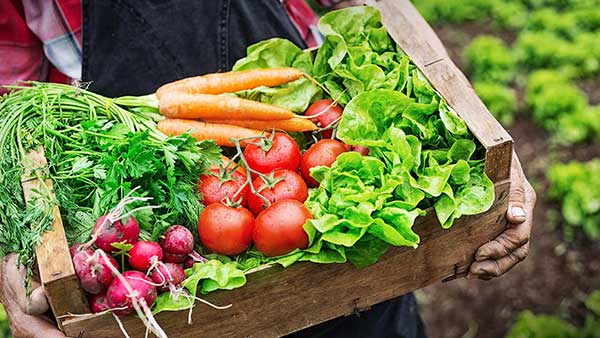
Providing healthy meals on the menu requires deliberate effort and planning. This includes planning meals with the right balance of nutrition and sourcing the best ingredients. It may mean being conscious of the cooking process and how this affects nutrition.
Providing optimal ingredients is important for improving a dish’s nutrition, not to mention its flavour! It is also a marketing technique that will attract your health-conscious customers. Sourcing ingredients locally is ideal because it ensures the freshest produce.
Provide Nutritional Information for those who want it
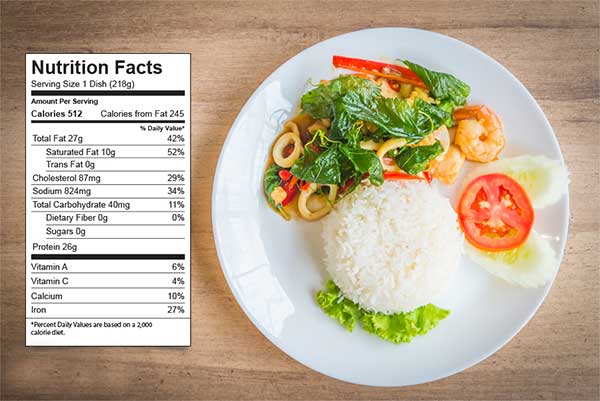
Being transparent about the nutritional composition of menu items is a significant benefit for your business, especially when serving health-conscious customers. This practice is known as menu labelling.
Menu labelling is the process of providing information on calories, fat, sodium, and other selected nutrients in menu items at the point of purchase. It is often initiated by the government as a strategy to reduce obesity and diet-related chronic diseases. More and more restaurants are offering this information to customers, regardless if it’s mandatory.
The nutritional information that is provided does not have to include every macronutrient in the dish. However, it should be detailed enough to include components that enable consumers to make healthy choices. In some cases, it may just be calories that customers are interested in. However, if fats or carbs are important to your customer base, it’s a good idea to include this information as well.
The nutritional information can be published on flyers to display on your restaurant’s counter or at each table. It can also be available on your restaurant’s website for your customers to easily peruse.
Give Healthy Options On The Menu
If your restaurant menu isn’t particularly healthy, you can still cater to health-conscious customers. Simply adding a few healthy options next to less healthy ones will do! When groups of friends or families get together to enjoy a meal, they are each looking for something different to consume. While some customers are willing to treat themselves to a high-calorie meal, their friends or family may not feel the same. Providing healthy options simply means your health-conscious customers can choose a low-calorie option.
Giving customers healthy options makes it easier for them to maintain their health and eat right in a stress-free environment. It is also a great way to promote brand loyalty and ensure they return as happy customers.
Conclusion
Catering to health-conscious customers takes planning and research. From a business perspective, it is certainly worth it, for it allows you to broaden your client base.
It has been proven that eating the right foods can help prevent certain diseases. Furthermore, it helps people with certain diseases better manage their health.
Restaurants that offer healthy meals can influence their customers’ eating habits by encouraging better dietary choices.
MenuSano makes it easier for restaurants to provide healthy meals and nutritional information to their customers. Traditionally, obtaining nutritional information for a recipe or dish meant sending food items to a lab for analysis. This is quite costly, and the turnaround time can take about a month.
MenuSano is a nutrition facts label maker that turns recipe data into professional labels you can trust. Built-in nutrition analysis software helps you calculate and standardize nutrition across products.
Start a free trial today.