Running a profitable food business in 2026 requires more than culinary skill; it demands strategic menu engineering that aligns with consumer health trends while maximizing margins. Today’s diners actively seek meals that deliver both flavour and nutritional value, and they’re willing to pay premium prices for transparency and quality ingredients.
Two ingredients consistently outperform expectations in both customer appeal and profitability: avocados and sweet potatoes. These nutrient-dense foods command premium pricing, cater to multiple dietary preferences, and offer the health credentials that drive customer loyalty and positive reviews.
This guide shows food service operators how to leverage these high-margin ingredients, communicate nutritional value effectively, and turn health-conscious menu items into profit centers.
Key Takeaways for Food Service Operators
- Avocado nutrition facts reveal 46% of daily fibre, 21% of daily potassium, and zero cholesterol. In comparison, sweet potatoes provide 369% of daily vitamin A, making both ingredients powerful marketing tools for attracting health-conscious consumers willing to pay premium prices.
- Health-conscious consumers, who represent 42% of diners, are willing to pay premiums of 15-35% for nutrient-dense menu items.
- Avocados deliver 46% daily fibre, 21% daily potassium, and heart-healthy monounsaturated fats, justifying premium pricing while appealing to keto, vegan, and health-focused customers.
- Sweet potatoes provide 369% of the daily recommended vitamin A, have a lower glycemic impact than white potatoes, and offer exceptional versatility, yielding high margins (70-85%) with low ingredient costs.
- Nutrition transparency fosters trust and loyalty, clearly displays nutrition facts, educates staff to communicate health benefits effectively, and utilizes callouts on menus and social media.
- Strategic menu engineering with superfoods enhances profitability, facilitates premium pricing, fosters customer loyalty, promotes marketing differentiation, and promotes dietary inclusivity, ultimately driving revenue growth.
- Professional nutrition analysis software automates calculations, ensures compliance, and streamlines menu updates, eliminating manual errors and saving operational time.
Are Avocados and Sweet Potatoes Healthy?
Yes, both avocados and sweet potatoes are exceptionally healthy and among the most nutrient-dense foods available. The avocado nutrition facts are impressive: one medium avocado (201g) provides 46% of your daily fibre requirement, 21% of daily potassium (more than a banana), and 29 grams of heart-healthy monounsaturated fats, all with zero cholesterol. Sweet potatoes deliver an impressive 369% of your daily vitamin A needs, along with significant vitamin C (37% DV), manganese (25% DV), and a lower glycemic index than white potatoes, making them suitable for blood sugar management.
For individual consumers, incorporating these foods into their daily diet supports heart health, digestive wellness, immune function, eye health, and sustained energy levels. Avocados are ideal for keto, paleo, and low-carb diets due to their high healthy fat and low net carb content (only 4g net carbs per serving). Sweet potatoes fit perfectly into plant-based, gluten-free, and diabetic-friendly eating patterns thanks to their natural sweetness, fibre content, and rich antioxidant profile.
For food service businesses, these health credentials represent a strategic opportunity. Health-conscious consumers actively seek menu items featuring nutrient-dense ingredients, such as avocados and sweet potatoes, and are willing to pay premium prices for transparency and quality. Understanding the nutritional facts of avocados and the health benefits of sweet potatoes enables restaurants, cafes, and food manufacturers to create profitable menu items that deliver genuine health value while commanding higher margins and fostering customer loyalty.
Understanding the Health-Conscious Consumer Market
The shift toward nutritious dining isn’t a passing trend; it’s a fundamental market transformation:
- 58% of U.S. diners actively seek healthy menu options
- 73% of consumers are willing to pay more for meals with premium, healthy ingredients
- Nutrition transparency is now a top factor in restaurant selection for millennials and Gen Z
- “Superfood” menu items generate 15-20% higher margins than standard offerings
Food businesses that ignore this shift risk losing market share to competitors who position themselves as health-forward. The solution isn’t eliminating indulgent options; it’s strategically incorporating nutrient-dense ingredients that justify premium pricing while meeting consumer demand.
The Business Case for Nutrient-Dense Menu Items
Before diving into specific ingredients, understand why health-focused menu engineering drives profitability:
1. Premium Pricing Justification
Menu items featuring “superfoods” or health-forward ingredients command price premiums of 20-35%. Customers perceive higher value when dishes deliver both taste and nutritional benefits.
2. Customer Loyalty and Repeat Business
Health-conscious diners become loyal customers when they find restaurants that consistently offer nutritious options. They return frequently, bring friends, and leave positive reviews mentioning healthy choices.
3. Marketing Differentiation
Clear nutrition facts and ingredient transparency set your business apart in crowded markets. Health-focused menu items generate social media engagement and word-of-mouth referrals.
4. Dietary Inclusivity
Nutrient-dense ingredients like avocados and sweet potatoes naturally align with vegetarian, vegan, gluten-free, paleo, and keto diets, expanding your addressable customer base without requiring separate menus.
5. Operational Efficiency
Both avocados and sweet potatoes are versatile, shelf-stable (when properly stored), and adaptable to multiple menu applications, reducing ingredient complexity while maximizing menu variety.
Strategic Ingredient #1: Avocados
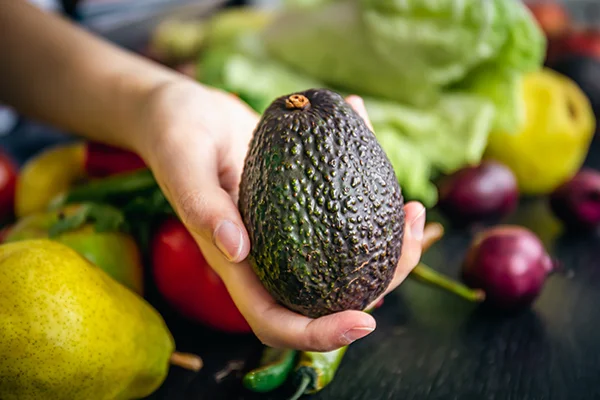
Avocados have evolved from trendy garnish to menu staple, and for good reason: they deliver exceptional nutritional value, command premium pricing, and appeal to virtually every health-conscious demographic.
Avocado Nutrition Facts (per 201g serving, ~1 medium avocado)
Macronutrients:
- Calories: 322 kcal
- Total Fat: 29g (37% DV)
- Monounsaturated Fat: 20g (heart-healthy oleic acid)
- Polyunsaturated Fat: 3.7g
- Saturated Fat: 4.3g
- Trans Fat: 0g
- Total Carbohydrates: 17g (6% DV)
- Dietary Fibre: 13g (46% DV)
- Sugars: 1.3g
- Protein: 4g
Micronutrients:
- Potassium: 975mg (21% DV), more than a banana
- Vitamin K: Supports bone health and blood clotting
- Folate: Essential for cell function and tissue growth
- Vitamin E: Powerful antioxidant
- Vitamin C: Immune support
- B Vitamins: Energy metabolism
Additional Benefits:
- Cholesterol: 0mg
- Sodium: 14mg (1% DV)
- Glycemic Index: Low (ideal for diabetic-friendly menus)
Why Avocado Nutrition Drives Profitability
1. Heart-Healthy Fat Content The 20g of monounsaturated fat per serving supports cardiovascular health, a major selling point for health-conscious customers. This allows you to market dishes as “heart-healthy” while justifying premium pricing.
2. Exceptional Fibre Content: At 13g fibre (46% DV), avocados promote satiety, meaning customers feel fuller with smaller portions. This reduces food costs while maintaining customer satisfaction.
3. Keto and Low-Carb Appeal With only 4g net carbs (17g total – 13g fibre), avocados are perfect for keto, paleo, and low-carb diets, a rapidly growing market segment willing to pay premium prices.
4. Clean Label Credentials Zero cholesterol, minimal sodium, no added sugars, avocados meet clean eating standards that resonate with health-focused consumers.
5. Potassium Powerhouse At 975mg potassium (21% DV), avocados support electrolyte balance and muscle function, appealing to fitness-focused customers and athletes.
High-Margin Avocado Menu Applications
Breakfast/Brunch (30-40% food cost, premium pricing):
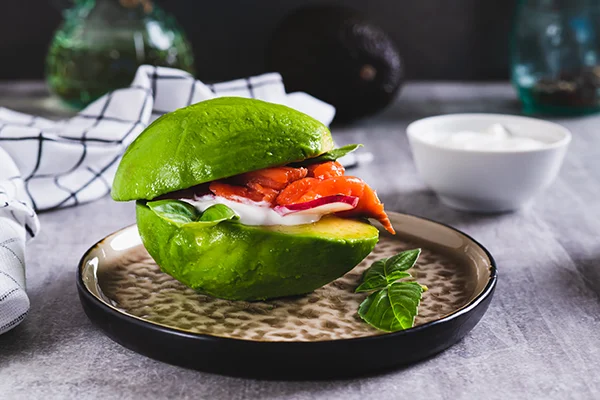
- Avocado Toast Variations: Whole grain bread, smashed avocado, toppings (poached egg, smoked salmon, microgreens, chilli flakes)
- Cost: $2-3 per serving | Sell for: $10-14 | Margin: 70-80%
Avocado Smoothie Bowls:
- Blended avocado, spinach, banana, topped with granola, berries, and chia seeds
- Cost: $3-4 per serving | Sell for: $12-15 | Margin: 70-75%
Lunch/Dinner (25-35% food cost):
- Avocado Buddha Bowls: Quinoa or cauliflower rice, roasted vegetables, chickpeas, sliced avocado, tahini dressing
- Cost: $4-5 per serving | Sell for: $14-16 | Margin: 65-70%
Guacamole and Chips:
- House-made guacamole with tortilla chips (high-margin appetizer)
- Cost: $2-3 per serving | Sell for: $9-12 | Margin: 70-75%
Avocado Chicken Salad:
- Grilled chicken, mixed greens, avocado slices, citrus vinaigrette
- Cost: $5-6 per serving | Sell for: $15-18 | Margin: 65-70%
Beverages (20-30% food cost):
- Avocado Smoothies: Avocado, almond milk, honey, lime, ice
- Cost: $2-3 per serving | Sell for: $8-10 | Margin: 70-75%
Marketing Avocado Menu Items
Menu Callouts:
- “Heart-Healthy Fats”
- “46% Daily Fibre”
- “Keto-Friendly”
- “Loaded with Potassium”
- “Plant-Based Protein”
Social Media Angles:
- Instagram-worthy avocado toast presentations
- “Superfood Spotlight” posts highlighting nutrition facts
- Customer testimonials from health-conscious diners
- Behind-the-scenes prep videos showing fresh avocado preparation
Strategic Ingredient #2: Sweet Potatoes
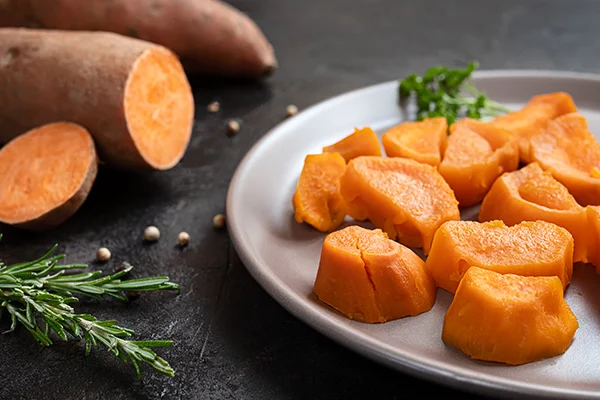
Sweet potatoes offer exceptional versatility, affordability, and nutritional density, making them ideal for both comfort food applications and health-forward menu items. Unlike avocados, sweet potatoes have lower ingredient costs, allowing for even higher margins on premium-priced dishes.
Sweet Potato Nutrition Facts (per 130g serving, ~1 medium baked sweet potato)
Macronutrients:
- Calories: 112 kcal
- Total Fat: 0.1g (0% DV)
- Total Carbohydrates: 26g (9% DV)
- Dietary Fibre: 4g (14% DV)
- Sugars: 5g (natural sugars)
- Protein: 2g
Micronutrients:
- Vitamin A: 369% DV (from beta-carotene), exceptional for eye health
- Vitamin C: 37% DV, immune support
- Manganese: 25% DV, bone health and metabolism
- Potassium: 15% DV, electrolyte balance
- Vitamin B6: Supports brain health and mood regulation
Additional Benefits:
- Glycemic Index: 44-61 (medium, lower than white potatoes)
- Antioxidants: Beta-carotene, anthocyanins (in purple varieties)
- Anti-inflammatory properties: Supports overall health
Why Sweet Potato Nutrition Drives Profitability
1. Exceptional Vitamin A Content: At 369% DV, sweet potatoes are one of the richest sources of beta-carotene (provitamin A). This supports eye health, immune function, and skin health, major selling points for health-conscious customers.
2. Lower Glycemic Index Than White Potatoes. Sweet potatoes cause slower blood sugar increases than white potatoes, making them suitable for diabetic-friendly menus and appealing to carb-conscious diners.
3. Natural Sweetness = Versatility. Sweet potatoes work well in both savoury and sweet applications, allowing for menu creativity without the need for additional ingredients or complexity.
4. Low Cost, High Perceived Value Sweet potatoes cost significantly less than avocados but command similar premium pricing when positioned as “superfood” or “nutrient-dense” options.
5. Comfort Food Appeal with Health Halo Sweet potatoes satisfy comfort food cravings while delivering genuine nutritional benefits, the perfect combination for premium pricing.
High-Margin Sweet Potato Menu Applications
Sides and Appetizers (15-25% food cost):
- Baked Sweet Potato Fries: Seasoned, oven-baked, served with aioli or chipotle mayo
- Cost: $1-2 per serving | Sell for: $7-9 | Margin: 75-85%
- Loaded Sweet Potato Skins: Baked sweet potato halves topped with black beans, cheese, sour cream, and green onions
- Cost: $2-3 per serving | Sell for: $9-11 | Margin: 70-75%
Entrees (25-35% food cost):
- Sweet Potato Buddha Bowls: Roasted sweet potato cubes, quinoa, kale, chickpeas, tahini dressing
- Cost: $4-5 per serving | Sell for: $13-16 | Margin: 65-70%
- Stuffed Sweet Potatoes: Baked sweet potato filled with pulled chicken, black beans, avocado, and salsa
- Cost: $5-6 per serving | Sell for: $14-17 | Margin: 60-65%
- Sweet Potato and Black Bean Tacos: Roasted sweet potato, black beans, cabbage slaw, lime crema (vegan-friendly)
- Cost: $3-4 per serving | Sell for: $11-14 | Margin: 70-75%
Comfort Food Reimagined (20-30% food cost):
- Mashed Sweet Potatoes: Creamy mashed sweet potatoes with butter, cinnamon, and maple (premium side upgrade)
- Cost: $1.50-2 per serving | Sell for: $6-8 | Margin: 70-75%
- Sweet Potato Mac and Cheese: Sweet potato puree blended into cheese sauce for added nutrition and colour
- Cost: $3-4 per serving | Sell for: $12-14 | Margin: 70-75%
Desserts and Beverages (15-25% food cost):
- Sweet Potato Pie or Brownies: Naturally sweetened desserts with added fibre and vitamin A
- Cost: $2-3 per serving | Sell for: $8-10 | Margin: 70-75%
- Sweet Potato Latte: Pureed sweet potato, espresso, steamed milk, cinnamon (seasonal specialty drink)
- Cost: $2-3 per serving | Sell for: $6-8 | Margin: 60-70%
Marketing Sweet Potato Menu Items
Menu Callouts:
- “369% Daily Vitamin A”
- “Lower Glycemic Than White Potatoes”
- “Rich in Antioxidants”
- “Diabetic-Friendly”
- “Naturally Sweet, No Added Sugar”
Social Media Angles:
- Vibrant orange colour photographs well for Instagram
- “Comfort Food, Elevated” positioning
- Seasonal fall/winter menu promotions
- Comparison posts: “Sweet Potato vs. White Potato Nutrition.”
Implementing Nutrition Transparency for Maximum Impact
Highlighting nutritional value isn’t just ethical, it’s a profit driver. Here’s how to leverage nutrition facts strategically:
1. Display Nutrition Information Prominently
On Menus:
- Add nutrition callouts next to menu items: “High in Fibre,” “Heart-Healthy Fats,” “Vitamin A Powerhouse.”
- Use icons or symbols to identify health-focused options
- Provide full nutrition facts online or via QR codes
In-Store Signage:
- Create “Superfood Spotlight” boards highlighting featured ingredients
- Display nutrition facts for signature dishes
- Use visual infographics showing health benefits
Digital Channels:
- Post nutrition facts on your website and ordering apps
- Share ingredient nutrition profiles on social media
- Create blog content explaining health benefits (SEO opportunity)
2. Train Staff to Communicate Nutritional Value
Servers and counter staff should confidently discuss:
- Key nutrients in featured dishes (fibre, healthy fats, vitamins)
- Health benefits of ingredients (heart health, immune support, energy)
- Dietary accommodations (keto, vegan, gluten-free, diabetic-friendly)
- Ingredient sourcing and quality (organic, local, sustainable)
3. Use Nutrition Facts to Justify Premium Pricing
When customers question prices, staff can respond:
- “This dish provides 46% of your daily fibre from fresh avocados.”
- “Our sweet potato fries deliver 369% daily vitamin A, unlike regular fries.”
- “We use premium, heart-healthy ingredients that support your wellness goals.”
4. Leverage Nutrition Analysis Software
MenuSano automates nutrition tracking by providing accurate calorie and macronutrient calculations, as well as monitoring micronutrients like vitamins and minerals.
This eliminates manual calculation errors, ensures regulatory compliance, and streamlines menu updates when recipes change.
Operational Considerations for Nutrient-Dense Ingredients

Avocado Management
Sourcing:
- Establish relationships with reliable suppliers for consistent quality
- Consider pre-ripened avocados to reduce waste and prep time
- Negotiate bulk pricing for high-volume applications
Storage:
- Store unripe avocados at room temperature
- Refrigerate ripe avocados to extend shelf life 3-5 days
- Use lemon/lime juice to prevent browning on cut avocados
Waste Reduction:
- Prep avocados to order when possible (prevents oxidation)
- Use overripe avocados for smoothies or guacamole
- Implement FIFO (first in, first out) inventory rotation
Sweet Potato Management
Sourcing:
- Buy in bulk for cost savings (long shelf life)
- Source locally when possible for freshness and marketing appeal
- Consider organic options for premium menu positioning
Storage:
- Store in cool, dark, well-ventilated areas (not refrigerated)
- Shelf life: 2-3 weeks when properly stored
- Avoid storing near onions or potatoes (ethylene gas accelerates spoilage)
Prep Efficiency:
- Batch-roast sweet potatoes for multiple menu applications
- Pre-cut and vacuum-seal for quick service during peak hours
- Use skins in dishes when possible (added fibre and nutrients)
Turn Nutritional Value into Competitive Advantage
Incorporating nutrient-dense ingredients like avocados and sweet potatoes isn’t just about meeting health trends; it’s about strategic menu engineering that drives profitability, customer loyalty, and brand differentiation. By highlighting nutritional value transparently and positioning these ingredients as premium offerings, food service businesses can command higher prices while delivering genuine value to health-conscious consumers.
Start by introducing 2-3 menu items featuring avocados or sweet potatoes, clearly communicate their nutritional benefits through menu callouts and staff training, and track customer response and profitability. As these items prove successful, expand your health-forward menu offerings and continue leveraging nutrition transparency as a competitive advantage.
MenuSano’s nutrition analysis software helps restaurants, cafes, and food manufacturers calculate accurate nutrition facts, generate compliant labels, and effectively communicate the benefits of their ingredients. Whether you’re adding superfood menu items, reformulating recipes for better nutrition, recipe costing, or ensuring regulatory compliance, professional nutrition analysis tools transform health-conscious menu development from a challenge into a profit center.
Ready to engineer a more profitable, health-focused menu? Start with strategic ingredients, transparent nutrition facts, and clear communication of value, and your customers’ health and your bottom line will both benefit.